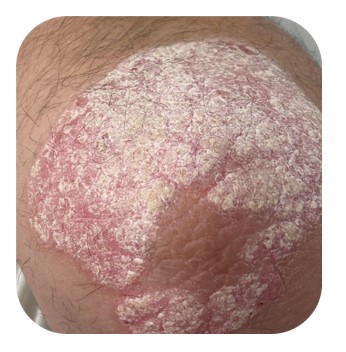
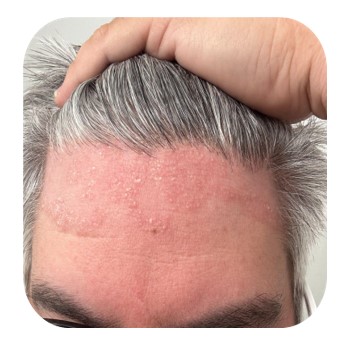
Psoriasis is a chronic inflammatory skin condition caused by rapid skin cell turnover, leading to thick, red, scaly plaques. It most commonly affects the scalp, elbows, knees, and lower back, but it can occur anywhere on the body. The disease results from an overactive immune response, where T-cells and dendritic cells trigger inflammatory cytokines that stimulate keratinocyte hyperproliferation, causing skin cells to accumulate on the surface.
Psoriasis is not just a skin disease, it is a systemic inflammatory condition that may also involve the nails and joints and is associated with psoriatic arthritis, cardiovascular disease, obesity, and metabolic syndrome. Because of these broader health connections, proper diagnosis and management are important for both skin improvement and overall health.
Common Variants of Psoriasis
Psoriasis can present in several clinical forms:
- Plaque Psoriasis
- Guttate Psoriasis
- Inverse (Flexural) Psoriasis
- Sebopsoriasis
- Pustular Psoriasis
- Erythrodermic Psoriasis
- Nail Psoriasis: Causes pitting, thickening, discoloration, or nail separation.
- Psoriatic Arthritis