Hyperpigmentation Disorders — Understanding Melasma and other causes of Uneven Skin Tone
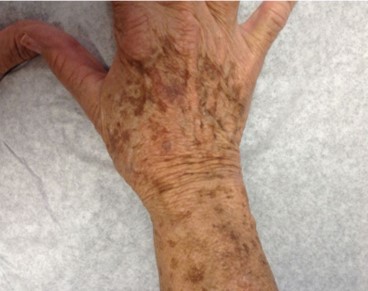
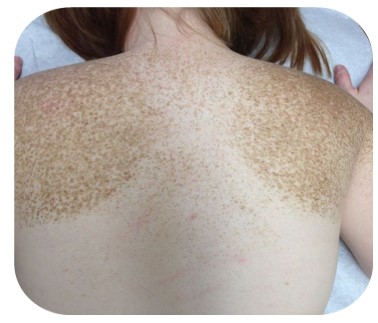
Hyperpigmentation is a common dermatologic concern where areas of skin become darker due to excess melanin — the pigment that gives skin its color. Although harmless, it can be persistent and affect confidence.
Discoloration may appear as brown, gray, or patchy areas and often reflects the skin’s response to inflammation, hormones, sun exposure, or injury. Successful treatment depends on identifying the cause rather than simply lightening the surface.
Why Pigment Depth Matters
Pigmentation disorders are defined not only by their appearance but by how deep the pigment sits in the skin. Pigment may be located in the epidermis (superficial layer), dermis (deeper layer), or in both layers (mixed pigmentation).
Understanding this depth is essential — it determines which treatments will work, how quickly improvement occurs, and why some discoloration may respond slowly or incompletely to therapy.
- Epidermal pigment – usually responds well to topical treatments and gentle procedures
- Dermal pigment – deeper, more stubborn, and often requires advanced therapies
- Mixed pigment – requires combination treatment and careful management